

Complete Guide to Buying Insurance with a New Car
Buying a new car is a very exciting experience, but understanding insurance properly is equally important. Many people buy insurance without understanding IDV, add-ons, coverage, return to invoice, zero depreciation, roadside assistance, and other important features. Because of this, later they face problems during claims.

In this detailed guide, you will understand how insurance should be purchased with a new car, how the vehicle value is decided, which add-ons are important, which add-ons you can skip, whether it is necessary to buy insurance from the dealer, and how you can reduce the insurance price without reducing coverage.
Topics Covered in This Guide
- What is IDV (Insured Declared Value)
- How IDV is calculated for a new car
- Dealer discounts and their effect on insurance value
- CSD car purchase and insurance value
- What is a 1+3 bundled policy
- Zero Depreciation Cover
- Consumables Cover
- Engine Protect Cover
- Return to Invoice Cover
- Tyre Cover
- Key and Lock Replacement
- Roadside Assistance
- Loss of Personal Belongings Cover
- Should you buy insurance from the dealer
- How to reduce insurance price
- Important things to check before purchasing insurance
What is IDV (Insured Declared Value)
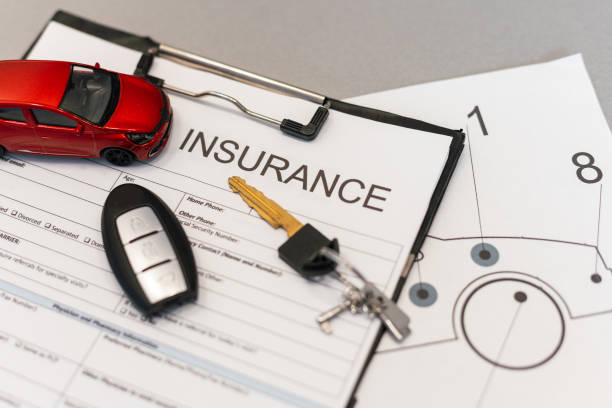
First, let us talk about the car’s IDV. The full form of IDV is Insured Declared Value. This is the value of the vehicle that the insurance company accepts. If in the future there is a total loss or the car gets stolen, then this complete value is paid to you as a claim.
Now the question is how this value is decided for a new car.
According to IRDA guidelines, the ex-showroom listed price of the vehicle is considered and 5% amount is reduced from it. After reducing 5%, the remaining amount becomes the IDV of the car.
For example, if the ex-showroom price of your car is ₹10 lakh, then 5% of that becomes ₹50,000. After reducing this amount, the IDV of your car will become ₹9.5 lakh.
Even if the dealer gives you a discount, the IDV will still be calculated on the original ex-showroom listed price. Suppose the dealer gives a ₹2 lakh discount under some scheme, even then the insurance value will be calculated from the original ₹10 lakh price, not from ₹8 lakh.
So no matter how much discount you receive, the IDV will still be calculated by reducing 5% from the listed ex-showroom price.
If at any time during the year there is a total loss claim, the insurance company has to pay the complete IDV amount.
Insurance Value for CSD Buyers
Many defence personnel purchase vehicles through the CSD canteen and receive tax rebates. In such cases people often ask whether the insurance value will be calculated after reducing the rebate amount.
The answer is no.
The insurance value is still calculated on the ex-showroom price because the rebate is provided by the government, not by the insurance company. Even road tax is paid on the full ex-showroom value. Therefore, the IDV is also calculated in the same way.
What is a 1+3 Bundled Insurance Policy
The insurance that comes with a new car is called a 1+3 bundled policy.
This means:
- One year complete insurance coverage for your own vehicle
- Three years third-party insurance paid in advance
Earlier, people used to renew insurance after one year, but many vehicle owners stopped renewing policies. Because of this, the Supreme Court made it compulsory for new cars to have three years of third-party insurance.
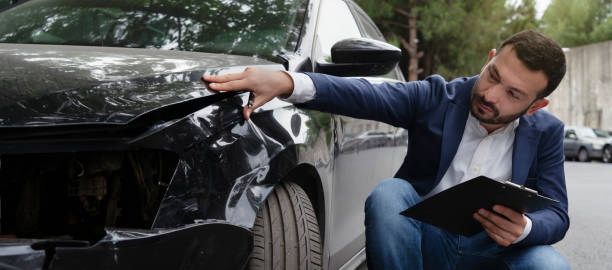
This third-party cover protects against damage caused to other people or their property.
For bikes, the structure is usually 1+5, meaning one year own damage and five years third-party cover.
After the first year, you only need to pay for your own vehicle damage premium because the third-party premium has already been paid in advance.
Zero Depreciation Cover
Zero depreciation is also called bumper-to-bumper cover.
As time passes, vehicle parts become old and their value decreases. This reduction in value is called depreciation.
If you have zero depreciation cover, then this depreciation amount is not deducted from your claim.
Without zero depreciation, claim amounts are reduced according to the age and category of the parts.
For a new vehicle, zero depreciation is highly recommended because the car value is high and you receive maximum benefit from this cover.
Most companies offer zero depreciation for the first five years. Some companies continue offering it after five years, but the premium may become higher.

You should also confirm how many zero depreciation claims are allowed in a year because some companies limit it to two claims while others provide unlimited claims.
Consumables Cover
Consumables are parts that get consumed over time such as:
- Engine oil
- Coolant
- AC gas
- Filters
- Grease
- Bearings
- Nuts and bolts
These parts are not covered under a normal insurance policy, even if you have zero depreciation.
Consumables cover is useful because these parts are mostly located in the front section of the vehicle where damage commonly happens during accidents.
The repair cost of these items can become 10% to 15% of the total repair bill.
This add-on is also inexpensive. For vehicles up to ₹10 lakh, consumables cover may cost only ₹500 to ₹1000.
Engine Protect Cover
Many people think engine protection is unnecessary because the engine is already included in the vehicle insurance.
However, engine protect mainly works in two situations:
- Water entering the engine
- Engine seizure caused by dry running
If your area experiences waterlogging or flooding, engine protect is highly recommended.
It is also useful if your roads are rough or if you regularly drive on bad roads or off-road conditions.
Otherwise, you may skip this add-on.
Return to Invoice Cover
Return to Invoice is also called RTI cover or vehicle replacement cover.
If the vehicle suffers total loss, theft, or fire damage, then instead of only paying the IDV amount, the insurance company pays the complete on-road price of the vehicle.
This includes:
- Ex-showroom price
- Registration charges
- Insurance amount paid
RTI is highly recommended for the first three years because the coverage is excellent and the cost is comparatively low.
Tyre Cover
If tyres are damaged during an accident, normal insurance usually covers them.
But if only the tyres are damaged separately, then a normal policy does not provide coverage.
Tyre cover is required if you want separate tyre protection.
Even zero depreciation does not cover standalone tyre damage.
If your roads are in good condition and tyre damage chances are low, you may skip this add-on.
Key and Lock Replacement
This add-on provides coverage if:
- Car keys are lost
- Lock set is damaged
- Key system develops faults
If you frequently misplace keys, then this add-on can be useful.
Otherwise, it is not compulsory.
Roadside Assistance
Roadside assistance helps during situations like:
- Vehicle breakdown
- Flat tyre
- Fuel finished
- Keys locked inside the car
You can call the toll-free number and the company arranges help.
The travel cost of the mechanic is covered, but the cost of replacement parts or repairs still needs to be paid separately.
This feature is extremely useful in remote areas where help is not easily available.
Many companies provide roadside assistance free of cost, while some charge extra.
Some insurers even provide taxi reimbursement or hotel stay benefits.
Roadside assistance is considered one of the most useful and underrated add-ons.
Loss of Personal Belongings Cover
If personal belongings are stolen from your car, this add-on provides coverage.
There is usually a fixed claim limit such as ₹25,000 or ₹70,000 depending on the policy.
However, negligence is not covered. For example:
- Leaving the car unlocked
- Leaving windows open
If expensive gadgets or valuables are kept inside the vehicle regularly, this add-on can be useful.
Is it Necessary to Buy Insurance from the Dealer
There is no rule requiring you to buy insurance only from the dealer.
You can purchase insurance from anywhere, but the vehicle cannot be delivered without valid insurance.
Dealers generally prefer that customers purchase insurance from them because they also earn from it.
How to Reduce Insurance Price
If you compare prices online, you may notice cheaper premiums. But before comparing, make sure:
- Same IDV is selected
- Same add-ons are included
- Same insurance company is chosen
After getting the online quotation, show it to the dealer and ask whether they can match the price.
Dealers often have multiple discount options and approvals available.
In many cases, they can match or come close to the online premium.
Important Things to Check Before Finalizing Insurance
Before purchasing insurance, always confirm these points:
1. Correct IDV
Check whether the vehicle value is correctly mentioned.
2. All Add-ons Included
Make sure no add-ons have been removed to reduce the premium.
3. Insurance Company
Ensure the dealer has not changed the insurer to a lower-quality company just to reduce price.
4. Dealer Portal Policy

Confirm the policy is issued through the dealer portal so you receive pan-India cashless repair benefits.
5. Claim Limits
Check whether limitations have been added such as restricted zero depreciation claims.
Final Thoughts
The experience of buying a new car should remain exciting and stress-free. Insurance is not only about reducing premium cost. It is about understanding proper coverage and protecting yourself from future financial loss.
Features like zero depreciation, roadside assistance, return to invoice, engine protection, and consumables cover can make a huge difference during claims.